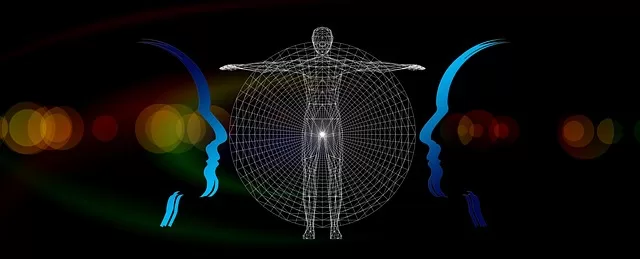
Welcome to the mind's playground, where the kingdoms of psychology and fiction collide in a tempting blend. In this article, we examine the fascinating world of fictional psychology books. And explore how they unravel the complexities of the human mind.
Books have long been a gateway to understanding our thoughts, emotions, and behaviors. But what happens when fiction interweaves with psychology? The result is an enthralling journey that offers insights into the depths of human nature. Drawing readers into imaginary worlds that mirror our own.
From psychological thrillers that delve into the darkest corners of the human psyche. To fictional tales that explore the complexities of mental health. These books provide a unique perspective on the intricacies of the mind.
Join us as we unravel the mysteries of fictional psychology books and discover how they not only entertain but also inspire self-reflection and empathy. Engaging narratives, and rich character development. Thought-provoking themes await you in the psychological playground of fiction. Let's explore the depths of the human mind through the compelling words of these fabulous authors.
The Power of Storytelling in Exploring Psychology
Storywriting has always been a powerful tool for understanding the human condition. It allows us to explore different perspectives. Empathize with characters, and gain a deeper understanding of ourselves. When it comes to fictional psychology books. Storytelling takes on a whole new level of significance. These books use narratives to delve into the complexities of the human mind. Offering readers a unique opportunity to explore psychological concepts and theories in a relatable and engaging way.
Through flamboyant descriptions, compelling dialogues, and intricate plotlines. Authors can bring psychological concepts to life. Making them more accessible and relatable to readers. Whether it's exploring the depths of a character's psyche or unraveling the complexities of mental health. Fictional psychology books provide a captivating platform for understanding the intricacies of the mind.
Benefits of Reading Fictional Psychology Books
Reading fictional psychology books offers a myriad of benefits for both the mind and the soul. Firstly, these books provide a form of escapism. Allowing readers to immerse themselves in mind boggling narratives that transport them to different worlds. As readers navigate the intricate webs of the characters' minds. They are also given the opportunity to reflect on their own thoughts, emotions, and behaviors.
Moreover, fictional psychology books can enhance self-awareness and empathy. By experiencing the world through the eyes of complex characters facing psychological challenges. Readers gain a deeper understanding of the human condition. This newfound empathy can help foster compassion and understanding towards others. As well as increase self-reflection and personal growth.
Popular Fictional Psychology Books and Their Themes
The world of fictional psychology books is vast and diverse. With a multitude of genres and themes to explore. Let's take a look at some popular books and the psychological themes they delve into:
1. "The Catcher in the Rye" by J.D. Salinger: This classic novel explores themes of adolescent identity. Alienation, and the search for authenticity. Through the protagonist Holden Caulfield's introspective journey. Readers are invited to reflect on their struggles with identity and the challenges of transitioning into adulthood.
2. "Gone Girl" by Gillian Flynn: This psychological thriller delves into themes of manipulation, perception, and the complexities of relationships. With its unreliable narrators and intricate plot twists. The book offers a chilling glimpse into the darker aspects of the human psyche. Leaving readers questioning the reliability of their perceptions.
3. "The Bell Jar" by Sylvia Plath: A semi-autobiographical novel, "The Bell Jar" explores themes of depression. Identity, and societal expectations. Through the protagonist Esther Greenwood's descent into mental illness. Audiences are confronted with the challenges of navigating a society that often fails to understand and support those experiencing mental health issues.
Psychological Concepts and Theories Explored in Fictional Psychology Books
Fictional psychology books provide a unique platform for authors to explore. Present psychological concepts and theories in a more engaging and accessible manner. By weaving these concepts into captivating narratives. Authors can bring complex ideas to life, making them easier to grasp and apply to real-life situations.
Some common psychological concepts and theories explored in fictional psychology books include:
1. Freudian psychoanalysis: Many authors draw inspiration from Sigmund Freud's theories of the unconscious mind. Repression, and the influence of childhood experiences on adult behavior. Through their characters' inner thoughts and struggles, they provide readers with a deeper understanding of these Freudian concepts.
2. Cognitive behavioral therapy (CBT): Fictional psychology books often incorporate CBT techniques and principles to explore how thoughts, emotions, and behaviors are interconnected. By showcasing characters who undergo cognitive transformations and challenge their own beliefs, the authors demonstrate the transformative power of CBT.
3. Existentialism: Existential themes, such as the search for meaning, freedom, and personal responsibility, are frequently explored in fictional psychology books. These narratives invite readers to contemplate their existence and confront the existential dilemmas that shape human life.
The Role of Characters in Fictional Psychology Books
Characters play a crucial role in fictional psychology books as they embody and experience the psychological themes and concepts explored by the authors. Through well-developed characters, authors can provide readers with a personal and relatable connection to the psychological struggles depicted in the book.
Characters serve as vessels for readers to explore various psychological perspectives. Motivations, and emotions. By witnessing the characters' inner thoughts and struggles. Readers can gain insights into the complexities of the human mind and reflect on their own experiences. This connection with the characters fosters empathy and allows readers to develop a deeper understanding of the psychological themes presented in the book.
How Fictional Psychology Books Can Enhance Self-Awareness and Empathy
One of the greatest strengths of psychology books lies in their ability to enhance self-awareness and empathy. By immersing readers in the minds of complex characters. These books provide a unique perspective on the human experience.
As readers navigate the characters' psychological journeys, they are prompted to reflect on their own thoughts, emotions, and behaviors. This process of self-reflection fosters self-awareness, allowing readers to gain a deeper understanding of their own motivations, fears, and desires. By exploring the complexities of fictional characters. Readers can develop a greater sense of empathy, compassion, and understanding toward others.
Fictional Psychology Books as a Form of Therapy
In addition to their entertainment value. fictional psychology books can also serve as a form of therapy. These books offer a safe space for readers to explore and process their own psychological challenges. Providing a sense of validation and support.
Reading about characters who face similar struggles can be cathartic. Offering readers a sense of connection and reassurance that they are not alone in their experiences. Fictional psychology books can provide solace, inspiration, and a renewed sense of hope for those navigating their own psychological journeys.
Recommendations for Psychology Novels by Genre
Whether you're a fan of psychological thrillers, literary fiction, or young adult novels, there are fictional psychology books for every taste. Here are some recommendations by genre:
1. Psychological Thrillers:
- "The Girl on the Train" by Paula Hawkins
- "Sharp Objects" by Gillian Flynn
- "The Silent Patient" by Alex Michaelides
2. Literary Fiction:
- "The Goldfinch" by Donna Tartt
- "A Little Life" by Hanya Yanagihara
- "The Secret History" by Donna Tartt
3. Young Adult:
- "Thirteen Reasons Why" by Jay Asher
- "It's Kind of a Funny Story" by Ned Vizzini
- "All the Bright Places" by Jennifer Niven
The Transformative Impact on Readers
In conclusion, fictional psychology books offer a tempting blend of storytelling and psychological exploration. They provide a gateway to understanding the complexities of the human mind. While simultaneously entertaining and inspiring readers.
Through engaging narratives, rich character development, and thought-provoking themes. These books invite readers on a journey of self-discovery and empathy. Whether you're seeking escapism, personal growth, or a deeper understanding of the human condition. The mind's playground of fictional psychology books has something to offer.
So, grab a book, and submerge yourself in the alluring words of extraordinary authors. Prepare to go on a transformative expedition through the depths of the human mind. The world of fictional psychology books awaits. Ready to unravel the mysteries of the human psyche and leave an indelible mark on your soul?
Happy reading!
The Mind is a Playground
Welcome to the mind's playground, where the kingdoms of psychology and fiction collide in a tempting blend. In this article, we examine the fascinating world of fictional psychology books. And explore how they unravel the complexities of the human mind.
Books have long been a gateway to understanding our thoughts, emotions, and behaviors. But what happens when fiction interweaves with psychology? The result is an enthralling journey that offers insights into the depths of human nature. Drawing readers into imaginary worlds that mirror our own.
From psychological thrillers that delve into the darkest corners of the human psyche. To fictional tales that explore the complexities of mental health. These books provide a unique perspective on the intricacies of the mind.
Join us as we unravel the mysteries of fictional psychology books and discover how they not only entertain but also inspire self-reflection and empathy. Engaging narratives, and rich character development. Thought-provoking themes await you in the psychological playground of fiction. Let's explore the depths of the human mind through the compelling words of these fabulous authors.
The Power of Storytelling in Exploring Psychology
Storywriting has always been a powerful tool for understanding the human condition. It allows us to explore different perspectives. Empathize with characters, and gain a deeper understanding of ourselves. When it comes to fictional psychology books. Storytelling takes on a whole new level of significance. These books use narratives to delve into the complexities of the human mind. Offering readers a unique opportunity to explore psychological concepts and theories in a relatable and engaging way.
Through flamboyant descriptions, compelling dialogues, and intricate plotlines. Authors can bring psychological concepts to life. Making them more accessible and relatable to readers. Whether it's exploring the depths of a character's psyche or unraveling the complexities of mental health. Fictional psychology books provide a captivating platform for understanding the intricacies of the mind.
Benefits of Reading Fictional Psychology Books
Reading fictional psychology books offers a myriad of benefits for both the mind and the soul. Firstly, these books provide a form of escapism. Allowing readers to immerse themselves in mind boggling narratives that transport them to different worlds. As readers navigate the intricate webs of the characters' minds. They are also given the opportunity to reflect on their own thoughts, emotions, and behaviors.
Moreover, fictional psychology books can enhance self-awareness and empathy. By experiencing the world through the eyes of complex characters facing psychological challenges. Readers gain a deeper understanding of the human condition. This newfound empathy can help foster compassion and understanding towards others. As well as increase self-reflection and personal growth.
Popular Fictional Psychology Books and Their Themes
The world of fictional psychology books is vast and diverse. With a multitude of genres and themes to explore. Let's take a look at some popular books and the psychological themes they delve into:
1. "The Catcher in the Rye" by J.D. Salinger: This classic novel explores themes of adolescent identity. Alienation, and the search for authenticity. Through the protagonist Holden Caulfield's introspective journey. Readers are invited to reflect on their struggles with identity and the challenges of transitioning into adulthood.
2. "Gone Girl" by Gillian Flynn: This psychological thriller delves into themes of manipulation, perception, and the complexities of relationships. With its unreliable narrators and intricate plot twists. The book offers a chilling glimpse into the darker aspects of the human psyche. Leaving readers questioning the reliability of their perceptions.
3. "The Bell Jar" by Sylvia Plath: A semi-autobiographical novel, "The Bell Jar" explores themes of depression. Identity, and societal expectations. Through the protagonist Esther Greenwood's descent into mental illness. Audiences are confronted with the challenges of navigating a society that often fails to understand and support those experiencing mental health issues.
Psychological Concepts and Theories Explored in Fictional Psychology Books
Fictional psychology books provide a unique platform for authors to explore. Present psychological concepts and theories in a more engaging and accessible manner. By weaving these concepts into captivating narratives. Authors can bring complex ideas to life, making them easier to grasp and apply to real-life situations.
Some common psychological concepts and theories explored in fictional psychology books include:
1. Freudian psychoanalysis: Many authors draw inspiration from Sigmund Freud's theories of the unconscious mind. Repression, and the influence of childhood experiences on adult behavior. Through their characters' inner thoughts and struggles, they provide readers with a deeper understanding of these Freudian concepts.
2. Cognitive behavioral therapy (CBT): Fictional psychology books often incorporate CBT techniques and principles to explore how thoughts, emotions, and behaviors are interconnected. By showcasing characters who undergo cognitive transformations and challenge their own beliefs, the authors demonstrate the transformative power of CBT.
3. Existentialism: Existential themes, such as the search for meaning, freedom, and personal responsibility, are frequently explored in fictional psychology books. These narratives invite readers to contemplate their existence and confront the existential dilemmas that shape human life.
The Role of Characters in Fictional Psychology Books
Characters play a crucial role in fictional psychology books as they embody and experience the psychological themes and concepts explored by the authors. Through well-developed characters, authors can provide readers with a personal and relatable connection to the psychological struggles depicted in the book.
Characters serve as vessels for readers to explore various psychological perspectives. Motivations, and emotions. By witnessing the characters' inner thoughts and struggles. Readers can gain insights into the complexities of the human mind and reflect on their own experiences. This connection with the characters fosters empathy and allows readers to develop a deeper understanding of the psychological themes presented in the book.
How Fictional Psychology Books Can Enhance Self-Awareness and Empathy
One of the greatest strengths of psychology books lies in their ability to enhance self-awareness and empathy. By immersing readers in the minds of complex characters. These books provide a unique perspective on the human experience.
As readers navigate the characters' psychological journeys, they are prompted to reflect on their own thoughts, emotions, and behaviors. This process of self-reflection fosters self-awareness, allowing readers to gain a deeper understanding of their own motivations, fears, and desires. By exploring the complexities of fictional characters. Readers can develop a greater sense of empathy, compassion, and understanding toward others.
Fictional Psychology Books as a Form of Therapy
In addition to their entertainment value. fictional psychology books can also serve as a form of therapy. These books offer a safe space for readers to explore and process their own psychological challenges. Providing a sense of validation and support.
Reading about characters who face similar struggles can be cathartic. Offering readers a sense of connection and reassurance that they are not alone in their experiences. Fictional psychology books can provide solace, inspiration, and a renewed sense of hope for those navigating their own psychological journeys.
Recommendations for Psychology Novels by Genre
Whether you're a fan of psychological thrillers, literary fiction, or young adult novels, there are fictional psychology books for every taste. Here are some recommendations by genre:
1. Psychological Thrillers:
- "The Girl on the Train" by Paula Hawkins
- "Sharp Objects" by Gillian Flynn
- "The Silent Patient" by Alex Michaelides
2. Literary Fiction:
- "The Goldfinch" by Donna Tartt
- "A Little Life" by Hanya Yanagihara
- "The Secret History" by Donna Tartt
3. Young Adult:
- "Thirteen Reasons Why" by Jay Asher
- "It's Kind of a Funny Story" by Ned Vizzini
- "All the Bright Places" by Jennifer Niven
The Transformative Impact on Readers
In conclusion, fictional psychology books offer a tempting blend of storytelling and psychological exploration. They provide a gateway to understanding the complexities of the human mind. While simultaneously entertaining and inspiring readers.
Through engaging narratives, rich character development, and thought-provoking themes. These books invite readers on a journey of self-discovery and empathy. Whether you're seeking escapism, personal growth, or a deeper understanding of the human condition. The mind's playground of fictional psychology books has something to offer.
So, grab a book, and submerge yourself in the alluring words of extraordinary authors. Prepare to go on a transformative expedition through the depths of the human mind. The world of fictional psychology books awaits. Ready to unravel the mysteries of the human psyche and leave an indelible mark on your soul?
Online platforms dedicated to literary classics and fiction books have become increasingly popular in recent years. These types of websites offer a vast collection of timeless literary works, ranging from classic novels to contemporary fiction. Users can easily access these platforms from the comfort of their own homes, allowing them to explore and discover a wide range of literary masterpieces.
The internet has revolutionized the way we access and enjoy literary classics and fiction books. With the rise of online platforms dedicated to these genres, readers now have a wealth of options at their fingertips. These websites provide a convenient and accessible way to delve into the world of literature, offering a diverse selection of titles that cater to different tastes and interests.
The emergence of online platforms focusing on literary classics and fiction books has opened up new avenues for book lovers to indulge in their passion. These websites serve as virtual libraries, housing an extensive collection of literary works that span various genres and time periods. From iconic classics like “Pride and Prejudice” to contemporary bestsellers, these platforms offer a treasure trove of reading material for enthusiasts of all ages. Whether you’re a fan of timeless classics or seeking the latest fiction releases, these online platforms provide a convenient and immersive reading experience.
In the digital age, online platforms dedicated to literary classics and fiction books have become a haven for bookworms and literature enthusiasts alike. These websites have transformed the way we consume and appreciate literature, offering a plethora of options that cater to diverse reading preferences. From the works of renowned authors like Shakespeare and Dickens to lesser-known gems waiting to be discovered, these platforms provide a gateway to a world of literary wonders.
The popularity of online platforms dedicated to literary classics and fiction books can be attributed to their ability to bring the magic of literature into the digital realm. These websites not only offer a vast collection of timeless works but also provide additional features such as annotations, discussions, and recommendations, enhancing the reading experience and fostering a sense of community among book lovers. With just a few clicks, readers can submerge themselves in the magnetic narratives and thought-provoking themes that have made these books enduring favorites.
The convenience and accessibility offered by online platforms dedicated to literary classics and fiction books have democratized the world of literature. No longer limited by physical constraints, readers from all corners of the globe can now access and enjoy these literary masterpieces with ease. Whether it’s a student studying for an English literature exam or a casual reader looking to escape into a fascinating story, these platforms provide a gateway to a world of imagination and knowledge.
The rise of online platforms dedicated to literary classics and fiction books has also given authors and publishers a new avenue to reach their audience. These websites serve as a platform for both established and emerging writers to showcase their work, allowing readers to discover new voices and perspectives. Additionally, the digital nature of these platforms enables authors to experiment with different formats and engage with their readers in unique ways, further enriching the reading experience.
Online platforms dedicated to literary classics and fiction books have not only made these works more accessible but have also played a crucial role in preserving and promoting literary heritage. By digitizing and making these books available online, these platforms ensure that future generations can continue to appreciate and learn from the literary treasures of the past. Furthermore, the interactive nature of these websites encourages readers to engage with the texts, fostering a deeper understanding and appreciation for the power of storytelling.
The success of online platforms dedicated to literary classics and fiction books can be attributed to their ability to adapt to the changing needs and preferences of readers. These websites constantly update their collections, curating new titles and recommendations based on user feedback and trends. This dynamic approach ensures that readers always have something new and exciting to discover,