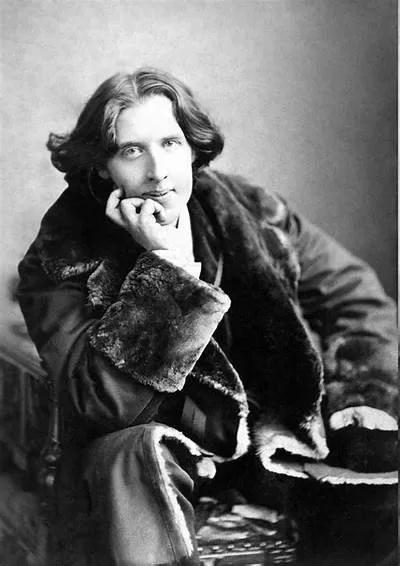
Oscar Wilde, the preeminent Irish playwright, poet, and author, continues to delight audiences with his timeless wit and wisdom. His works, including "The Importance of Being Earnest" and "The Picture of Dorian Gray," have left an indelible mark on literature. Making him one of the most celebrated literary geniuses of all time.
Wilde's razor-sharp humor and social commentary still resonate today. His clever wordplay and satirical insights into Victorian society not only entertained but also challenged societal norms. From his iconic quotes like "I can resist everything except temptation" to his distinctive writing style characterized by wit and paradox, Wilde's literary legacy remains an endless source of inspiration.
Read along as we delve into the enduring impact of Oscar Wilde's works. Exploring why his wit and wisdom continue to resonate with readers around the world. We will examine his influence on subsequent generations of writers and thinkers, and uncover the lasting relevance of his observations on art, love, and society.
Join us as we celebrate the life and genius of Oscar Wilde, unraveling the secrets behind his timeless appeal and the enduring legacy he has left on the literary landscape.
Early life and education
Oscar Wilde was born on October 16, 1854, in Dublin, Ireland, to Sir William Wilde and Jane Francesca Elgee. His parents were renowned figures in their own right - his father was a successful surgeon and his mother a respected poet and nationalist. Wilde's early life was shaped by the intellectual and cultural atmosphere that permeated his household, where discussions on art, literature, and politics were a daily occurrence.
From a young age, Wilde displayed an exceptional aptitude for languages and a keen interest in the arts. He excelled academically, earning a prestigious scholarship to Trinity College, Dublin, where he honed his skills in classical literature and philosophy. Wilde's time at Trinity was marked by his flamboyant personality and his growing reputation as a witty and erudite conversationalist, traits that would later become the hallmarks of his literary career.
After completing his studies at Trinity, Wilde went on to the University of Oxford, where he further refined his literary talents and solidified his reputation as a leading figure in the Aesthetic movement. It was during this period that Wilde began to develop his distinctive style, blending classical influences with a modern sensibility that would come to define his work. The seeds of his future success were sown in these formative years, as Wilde's natural talent and unwavering dedication to the pursuit of beauty and truth laid the foundation for his rise to literary stardom.
The rise of Oscar Wilde as a playwright
Oscar Wilde's transition from a promising young scholar to a celebrated playwright was a remarkable journey that spanned the 1880s and 1890s. After completing his education, Wilde moved to London, where he quickly established himself as a prominent figure in the city's vibrant cultural scene.
Wilde's early literary efforts, including his poetry collections and his only novel, "The Picture of Dorian Gray," earned him a reputation as a talented and innovative writer. However, it was his foray into the world of theater that truly cemented his legacy as one of the most influential playwrights of his era.
Wilde's first major theatrical success came with the production of "Lady Windermere's Fan" in 1892, a witty and sophisticated comedy that showcased his mastery of dialogue and character development. This was followed by a string of equally acclaimed plays, including "A Woman of No Importance" (1893), "An Ideal Husband" (1895), and the enduring classic, "The Importance of Being Earnest" (1895), which many consider to be his crowning achievement.
Themes and style in Oscar Wilde's works
At the heart of Oscar Wilde's literary genius lies his ability to craft works that seamlessly blend incisive social commentary with dazzling wit and clever wordplay. Wilde's plays and novels are renowned for their exploration of themes that were often considered taboo or unconventional in Victorian society, such as the nature of identity, the pursuit of pleasure, and the corrupting influence of power.
One of the defining characteristics of Wilde's writing style is his use of paradox and epigram, which he employed to challenge the prevailing social norms and expose the hypocrisies of the upper classes. His characters often engage in witty, rapid-fire exchanges that reveal the underlying tensions and contradictions of their world, while Wilde's observations on art, love, and morality are delivered with a sharp, sardonic edge.
Wilde's distinctive writing style was further enhanced by his mastery of irony and his ability to subvert the traditional narrative structures of the Victorian era. His works are marked by a sense of playfulness and a refusal to adhere to conventional literary tropes, as Wilde sought to push the boundaries of what was possible in the realm of fiction and drama.
Oscar Wilde's famous plays and novels
Throughout his illustrious career, Oscar Wilde produced a body of work that has endured as some of the most celebrated and influential literary achievements of the late 19th century. His plays, in particular, have become timeless classics, renowned for their wit, social commentary, and enduring relevance.
One of Wilde's most famous and beloved works is "The Importance of Being Earnest," a delightful comedy of manners that parodies the social conventions and moral hypocrisy of the Victorian upper class. The play's central characters, Jack and Algernon, engage in a series of elaborate deceptions and mistaken identities, ultimately revealing the absurdity of the societal norms they seek to uphold. Wilde's masterful use of language and his keen eye for the foibles of the aristocracy make "The Importance of Being Earnest" a timeless classic that continues to delight audiences and readers alike.
In addition to his plays, Wilde's only novel, "The Picture of Dorian Gray," has also become a cornerstone of his literary legacy. This dark and alluring work explores the themes of beauty, morality, and the corrupting influence of vanity and hedonism. Wilde's vivid, richly descriptive prose and ability to craft complex, multifaceted characters have made "The Picture of Dorian Gray" a beloved and influential work of Gothic fiction, inspiring countless adaptations and interpretations over the decades.
The importance of wit and humor in Oscar Wilde's writing
At the heart of Oscar Wilde's literary genius lies his unparalleled mastery of wit and humor. Wilde's works are renowned for their clever wordplay, sharp social commentary, and unapologetic embrace of the absurd, all of which have contributed to his enduring popularity and critical acclaim.
Wilde's wit was not merely a stylistic flourish; it was a tool he wielded with precision to challenge the social norms and moral hypocrisies of Victorian society. His characters engage in witty banter and deliver cutting, paradoxical observations that expose the underlying tensions and contradictions of their world. From the epigrams of "The Importance of Being Earnest" to the sardonic musings of "The Picture of Dorian Gray," Wilde's works are infused with a sense of playfulness and a refusal to take the world too seriously.
However, Wilde's use of humor was not merely a means of entertainment; it was a way of illuminating the complexities of the human condition and the absurdities of social conventions. His works often explore the darker aspects of the human experience, such as the corrupting influence of vanity and the consequences of moral transgressions, but they do so with a deft touch that allows the reader to engage with these themes on a deeper level. Wilde's ability to balance humor and insight, wit and wisdom, has made him one of the most beloved and influential writers of his era, and his legacy continues to inspire and delight readers the world over.
Oscar Wilde's impact on society and literature
The enduring impact of Oscar Wilde's literary works extends far beyond the realm of the written word, as his influence can be seen in the social and cultural landscape of the modern era. Wilde's bold, unconventional approach to art and life challenged the rigid social norms of Victorian society, paving the way for more progressive and inclusive attitudes towards identity, sexuality, and the role of the individual in shaping their destiny.
Wilde's works, with their unapologetic exploration of taboo themes and their celebration of the power of the individual, have become touchstones for marginalized communities and social movements. His championing of the Aesthetic movement, which emphasized the primacy of beauty and self-expression over utilitarian concerns, has had a lasting impact on the arts, inspiring generations of writers, artists, and thinkers to embrace their creativity and individuality.
Beyond the realm of literature, Wilde's influence can be seen in the way we approach and engage with the world around us. His razor-sharp wit and his ability to distill complex ideas into pithy, memorable aphorisms have become a part of our cultural lexicon, with his iconic quotes and turns of phrase permeating everything from political discourse to popular culture. Wilde's enduring legacy as a literary giant and a social provocateur has cemented his place as one of the most influential and enduring figures of the modern era, a testament to the power of his words and the timeless relevance of his ideas.
Oscar Wilde's infamous trial and imprisonment
The latter years of Oscar Wilde's life were marked by a tragic and highly publicized downfall, as the renowned playwright and author faced a series of devastating personal and legal challenges that ultimately led to his imprisonment and the destruction of his once-flourishing career.
In 1895, Wilde was arrested and charged with "gross indecency," a vague and broadly interpreted law that was used to prosecute homosexual acts in Victorian England. This arrest was the culmination of a bitter feud between Wilde and the Marquess of Queensberry, the father of Wilde's lover, Lord Alfred Douglas. The ensuing trial and Wilde's subsequent conviction and imprisonment for two years of hard labor were a devastating blow to the writer, who had previously enjoyed immense fame and critical acclaim.
Wilde's incarceration and the public humiliation he endured during this period had a profound impact on his literary output and personal well-being. The harsh conditions of the prison system, combined with the emotional trauma of his downfall, took a heavy toll on Wilde's health and spirit. However, even in the darkest moments of his life, Wilde's wit and insight remained undiminished, as evidenced by his poignant and deeply moving work, "De Profundis," a letter written during his imprisonment that reflects on the nature of love, suffering, and the human condition.
The legacy of Oscar Wilde in modern literature and popular culture
Despite the tragic circumstances that marked the latter years of his life, Oscar Wilde's enduring legacy as one of the most influential and beloved writers of the modern era remains firmly intact. His works continue to captivate and inspire audiences around the world, with his plays, novels, and poems enjoying a sustained popularity that has only grown stronger with time.
Wilde's impact on the literary landscape is undeniable, as his distinctive style, thematic preoccupations, and uncompromising approach to art and life have influenced countless writers, playwrights, and thinkers who have followed in his footsteps. From the subversive social commentary of George Bernard Shaw to the flamboyant, stylized prose of Oscar Wilde's fellow Aesthetes, the imprint of Wilde's genius can be seen in the works of countless literary luminaries throughout the 20th and 21st centuries.
Beyond the realm of literature, Wilde's legacy has also permeated popular culture, with his iconic quotes, memorable characters, and distinctive persona becoming embedded in the collective consciousness of audiences worldwide. From the silver screen adaptations of his plays to the countless references to his wit and wisdom in television, film, and the arts, Wilde's enduring influence has ensured that his name and his work remain an integral part of the cultural landscape, inspiring and delighting new generations of admirers with each passing year.
Celebrating the enduring legacy of Oscar Wilde
As we reflect on the life and legacy of Oscar Wilde, it becomes clear that his influence and impact on the literary and cultural landscape of the modern era are truly unparalleled. From his early days as a precocious young scholar to his rise as a celebrated playwright and author, Wilde's journey was marked by a singular dedication to the pursuit of beauty, truth, and the power of the individual to shape their destiny.
Through his works, Wilde challenged the rigid social conventions of Victorian society, championing a more progressive, inclusive, and nuanced understanding of identity, sexuality, and the human experience. His masterful use of wit, paradox, and irony not only entertained and delighted his audiences but also illuminated the complexities and contradictions that lay at the heart of the human condition.
Even in the face of personal tragedy and public humiliation, Wilde's spirit and creative genius remained undiminished, as evidenced by the poignant and deeply moving works he produced during his final years. Today, as we celebrate the enduring legacy of this literary giant, we are reminded of the timeless power of his words, the enduring relevance of his ideas, and the enduring inspiration he continues to provide to writers, thinkers, and audiences the world over. Oscar Wilde's legacy stands as a testament to the transformative power of art, the enduring triumph of the human spirit, and the timeless appeal of a truly remarkable literary genius.
16 October 1854 – 30 November 1900
Oscar Wilde, the preeminent Irish playwright, poet, and author, continues to delight audiences with his timeless wit and wisdom. His works, including "The Importance of Being Earnest" and "The Picture of Dorian Gray," have left an indelible mark on literature. Making him one of the most celebrated literary geniuses of all time.
Wilde's razor-sharp humor and social commentary still resonate today. His clever wordplay and satirical insights into Victorian society not only entertained but also challenged societal norms. From his iconic quotes like "I can resist everything except temptation" to his distinctive writing style characterized by wit and paradox, Wilde's literary legacy remains an endless source of inspiration.
Read along as we delve into the enduring impact of Oscar Wilde's works. Exploring why his wit and wisdom continue to resonate with readers around the world. We will examine his influence on subsequent generations of writers and thinkers, and uncover the lasting relevance of his observations on art, love, and society.
Join us as we celebrate the life and genius of Oscar Wilde, unraveling the secrets behind his timeless appeal and the enduring legacy he has left on the literary landscape.
Early life and education
Oscar Wilde was born on October 16, 1854, in Dublin, Ireland, to Sir William Wilde and Jane Francesca Elgee. His parents were renowned figures in their own right - his father was a successful surgeon and his mother a respected poet and nationalist. Wilde's early life was shaped by the intellectual and cultural atmosphere that permeated his household, where discussions on art, literature, and politics were a daily occurrence.
From a young age, Wilde displayed an exceptional aptitude for languages and a keen interest in the arts. He excelled academically, earning a prestigious scholarship to Trinity College, Dublin, where he honed his skills in classical literature and philosophy. Wilde's time at Trinity was marked by his flamboyant personality and his growing reputation as a witty and erudite conversationalist, traits that would later become the hallmarks of his literary career.
After completing his studies at Trinity, Wilde went on to the University of Oxford, where he further refined his literary talents and solidified his reputation as a leading figure in the Aesthetic movement. It was during this period that Wilde began to develop his distinctive style, blending classical influences with a modern sensibility that would come to define his work. The seeds of his future success were sown in these formative years, as Wilde's natural talent and unwavering dedication to the pursuit of beauty and truth laid the foundation for his rise to literary stardom.
The rise of Oscar Wilde as a playwright
Oscar Wilde's transition from a promising young scholar to a celebrated playwright was a remarkable journey that spanned the 1880s and 1890s. After completing his education, Wilde moved to London, where he quickly established himself as a prominent figure in the city's vibrant cultural scene.
Wilde's early literary efforts, including his poetry collections and his only novel, "The Picture of Dorian Gray," earned him a reputation as a talented and innovative writer. However, it was his foray into the world of theater that truly cemented his legacy as one of the most influential playwrights of his era.
Wilde's first major theatrical success came with the production of "Lady Windermere's Fan" in 1892, a witty and sophisticated comedy that showcased his mastery of dialogue and character development. This was followed by a string of equally acclaimed plays, including "A Woman of No Importance" (1893), "An Ideal Husband" (1895), and the enduring classic, "The Importance of Being Earnest" (1895), which many consider to be his crowning achievement.
Themes and style in Oscar Wilde's works
At the heart of Oscar Wilde's literary genius lies his ability to craft works that seamlessly blend incisive social commentary with dazzling wit and clever wordplay. Wilde's plays and novels are renowned for their exploration of themes that were often considered taboo or unconventional in Victorian society, such as the nature of identity, the pursuit of pleasure, and the corrupting influence of power.
One of the defining characteristics of Wilde's writing style is his use of paradox and epigram, which he employed to challenge the prevailing social norms and expose the hypocrisies of the upper classes. His characters often engage in witty, rapid-fire exchanges that reveal the underlying tensions and contradictions of their world, while Wilde's observations on art, love, and morality are delivered with a sharp, sardonic edge.
Wilde's distinctive writing style was further enhanced by his mastery of irony and his ability to subvert the traditional narrative structures of the Victorian era. His works are marked by a sense of playfulness and a refusal to adhere to conventional literary tropes, as Wilde sought to push the boundaries of what was possible in the realm of fiction and drama.
Oscar Wilde's famous plays and novels
Throughout his illustrious career, Oscar Wilde produced a body of work that has endured as some of the most celebrated and influential literary achievements of the late 19th century. His plays, in particular, have become timeless classics, renowned for their wit, social commentary, and enduring relevance.
One of Wilde's most famous and beloved works is "The Importance of Being Earnest," a delightful comedy of manners that parodies the social conventions and moral hypocrisy of the Victorian upper class. The play's central characters, Jack and Algernon, engage in a series of elaborate deceptions and mistaken identities, ultimately revealing the absurdity of the societal norms they seek to uphold. Wilde's masterful use of language and his keen eye for the foibles of the aristocracy make "The Importance of Being Earnest" a timeless classic that continues to delight audiences and readers alike.
In addition to his plays, Wilde's only novel, "The Picture of Dorian Gray," has also become a cornerstone of his literary legacy. This dark and alluring work explores the themes of beauty, morality, and the corrupting influence of vanity and hedonism. Wilde's vivid, richly descriptive prose and ability to craft complex, multifaceted characters have made "The Picture of Dorian Gray" a beloved and influential work of Gothic fiction, inspiring countless adaptations and interpretations over the decades.
The importance of wit and humor in Oscar Wilde's writing
At the heart of Oscar Wilde's literary genius lies his unparalleled mastery of wit and humor. Wilde's works are renowned for their clever wordplay, sharp social commentary, and unapologetic embrace of the absurd, all of which have contributed to his enduring popularity and critical acclaim.
Wilde's wit was not merely a stylistic flourish; it was a tool he wielded with precision to challenge the social norms and moral hypocrisies of Victorian society. His characters engage in witty banter and deliver cutting, paradoxical observations that expose the underlying tensions and contradictions of their world. From the epigrams of "The Importance of Being Earnest" to the sardonic musings of "The Picture of Dorian Gray," Wilde's works are infused with a sense of playfulness and a refusal to take the world too seriously.
However, Wilde's use of humor was not merely a means of entertainment; it was a way of illuminating the complexities of the human condition and the absurdities of social conventions. His works often explore the darker aspects of the human experience, such as the corrupting influence of vanity and the consequences of moral transgressions, but they do so with a deft touch that allows the reader to engage with these themes on a deeper level. Wilde's ability to balance humor and insight, wit and wisdom, has made him one of the most beloved and influential writers of his era, and his legacy continues to inspire and delight readers the world over.
Oscar Wilde's impact on society and literature
The enduring impact of Oscar Wilde's literary works extends far beyond the realm of the written word, as his influence can be seen in the social and cultural landscape of the modern era. Wilde's bold, unconventional approach to art and life challenged the rigid social norms of Victorian society, paving the way for more progressive and inclusive attitudes towards identity, sexuality, and the role of the individual in shaping their destiny.
Wilde's works, with their unapologetic exploration of taboo themes and their celebration of the power of the individual, have become touchstones for marginalized communities and social movements. His championing of the Aesthetic movement, which emphasized the primacy of beauty and self-expression over utilitarian concerns, has had a lasting impact on the arts, inspiring generations of writers, artists, and thinkers to embrace their creativity and individuality.
Beyond the realm of literature, Wilde's influence can be seen in the way we approach and engage with the world around us. His razor-sharp wit and his ability to distill complex ideas into pithy, memorable aphorisms have become a part of our cultural lexicon, with his iconic quotes and turns of phrase permeating everything from political discourse to popular culture. Wilde's enduring legacy as a literary giant and a social provocateur has cemented his place as one of the most influential and enduring figures of the modern era, a testament to the power of his words and the timeless relevance of his ideas.
Oscar Wilde's infamous trial and imprisonment
The latter years of Oscar Wilde's life were marked by a tragic and highly publicized downfall, as the renowned playwright and author faced a series of devastating personal and legal challenges that ultimately led to his imprisonment and the destruction of his once-flourishing career.
In 1895, Wilde was arrested and charged with "gross indecency," a vague and broadly interpreted law that was used to prosecute homosexual acts in Victorian England. This arrest was the culmination of a bitter feud between Wilde and the Marquess of Queensberry, the father of Wilde's lover, Lord Alfred Douglas. The ensuing trial and Wilde's subsequent conviction and imprisonment for two years of hard labor were a devastating blow to the writer, who had previously enjoyed immense fame and critical acclaim.
Wilde's incarceration and the public humiliation he endured during this period had a profound impact on his literary output and personal well-being. The harsh conditions of the prison system, combined with the emotional trauma of his downfall, took a heavy toll on Wilde's health and spirit. However, even in the darkest moments of his life, Wilde's wit and insight remained undiminished, as evidenced by his poignant and deeply moving work, "De Profundis," a letter written during his imprisonment that reflects on the nature of love, suffering, and the human condition.
The legacy of Oscar Wilde in modern literature and popular culture
Despite the tragic circumstances that marked the latter years of his life, Oscar Wilde's enduring legacy as one of the most influential and beloved writers of the modern era remains firmly intact. His works continue to captivate and inspire audiences around the world, with his plays, novels, and poems enjoying a sustained popularity that has only grown stronger with time.
Wilde's impact on the literary landscape is undeniable, as his distinctive style, thematic preoccupations, and uncompromising approach to art and life have influenced countless writers, playwrights, and thinkers who have followed in his footsteps. From the subversive social commentary of George Bernard Shaw to the flamboyant, stylized prose of Oscar Wilde's fellow Aesthetes, the imprint of Wilde's genius can be seen in the works of countless literary luminaries throughout the 20th and 21st centuries.
Beyond the realm of literature, Wilde's legacy has also permeated popular culture, with his iconic quotes, memorable characters, and distinctive persona becoming embedded in the collective consciousness of audiences worldwide. From the silver screen adaptations of his plays to the countless references to his wit and wisdom in television, film, and the arts, Wilde's enduring influence has ensured that his name and his work remain an integral part of the cultural landscape, inspiring and delighting new generations of admirers with each passing year.
Celebrating the enduring legacy of Oscar Wilde
As we reflect on the life and legacy of Oscar Wilde, it becomes clear that his influence and impact on the literary and cultural landscape of the modern era are truly unparalleled. From his early days as a precocious young scholar to his rise as a celebrated playwright and author, Wilde's journey was marked by a singular dedication to the pursuit of beauty, truth, and the power of the individual to shape their destiny.
Through his works, Wilde challenged the rigid social conventions of Victorian society, championing a more progressive, inclusive, and nuanced understanding of identity, sexuality, and the human experience. His masterful use of wit, paradox, and irony not only entertained and delighted his audiences but also illuminated the complexities and contradictions that lay at the heart of the human condition.
Even in the face of personal tragedy and public humiliation, Wilde's spirit and creative genius remained undiminished, as evidenced by the poignant and deeply moving works he produced during his final years. Today, as we celebrate the enduring legacy of this literary giant, we are reminded of the timeless power of his words, the enduring relevance of his ideas, and the enduring inspiration he continues to provide to writers, thinkers, and audiences the world over. Oscar Wilde's legacy stands as a testament to the transformative power of art, the enduring triumph of the human spirit, and the timeless appeal of a truly remarkable literary genius.
Online platforms dedicated to literary classics and fiction books have become increasingly popular in recent years. These types of websites offer a vast collection of timeless literary works, ranging from classic novels to contemporary fiction. Users can easily access these platforms from the comfort of their own homes, allowing them to explore and discover a wide range of literary masterpieces.
The internet has revolutionized the way we access and enjoy literary classics and fiction books. With the rise of online platforms dedicated to these genres, readers now have a wealth of options at their fingertips. These websites provide a convenient and accessible way to delve into the world of literature, offering a diverse selection of titles that cater to different tastes and interests.
The emergence of online platforms focusing on literary classics and fiction books has opened up new avenues for book lovers to indulge in their passion. These websites serve as virtual libraries, housing an extensive collection of literary works that span various genres and time periods. From iconic classics like “Pride and Prejudice” to contemporary bestsellers, these platforms offer a treasure trove of reading material for enthusiasts of all ages. Whether you’re a fan of timeless classics or seeking the latest fiction releases, these online platforms provide a convenient and immersive reading experience.
In the digital age, online platforms dedicated to literary classics and fiction books have become a haven for bookworms and literature enthusiasts alike. These websites have transformed the way we consume and appreciate literature, offering a plethora of options that cater to diverse reading preferences. From the works of renowned authors like Shakespeare and Dickens to lesser-known gems waiting to be discovered, these platforms provide a gateway to a world of literary wonders.
The popularity of online platforms dedicated to literary classics and fiction books can be attributed to their ability to bring the magic of literature into the digital realm. These websites not only offer a vast collection of timeless works but also provide additional features such as annotations, discussions, and recommendations, enhancing the reading experience and fostering a sense of community among book lovers. With just a few clicks, readers can submerge themselves in the magnetic narratives and thought-provoking themes that have made these books enduring favorites.
The convenience and accessibility offered by online platforms dedicated to literary classics and fiction books have democratized the world of literature. No longer limited by physical constraints, readers from all corners of the globe can now access and enjoy these literary masterpieces with ease. Whether it’s a student studying for an English literature exam or a casual reader looking to escape into a fascinating story, these platforms provide a gateway to a world of imagination and knowledge.
The rise of online platforms dedicated to literary classics and fiction books has also given authors and publishers a new avenue to reach their audience. These websites serve as a platform for both established and emerging writers to showcase their work, allowing readers to discover new voices and perspectives. Additionally, the digital nature of these platforms enables authors to experiment with different formats and engage with their readers in unique ways, further enriching the reading experience.
Online platforms dedicated to literary classics and fiction books have not only made these works more accessible but have also played a crucial role in preserving and promoting literary heritage. By digitizing and making these books available online, these platforms ensure that future generations can continue to appreciate and learn from the literary treasures of the past. Furthermore, the interactive nature of these websites encourages readers to engage with the texts, fostering a deeper understanding and appreciation for the power of storytelling.
The success of online platforms dedicated to literary classics and fiction books can be attributed to their ability to adapt to the changing needs and preferences of readers. These websites constantly update their collections, curating new titles and recommendations based on user feedback and trends. This dynamic approach ensures that readers always have something new and exciting to discover,